Analyzing How Rating Metrics Guide Payment Selection for Live Dealer Bonuses on Emerging Mobile Networks
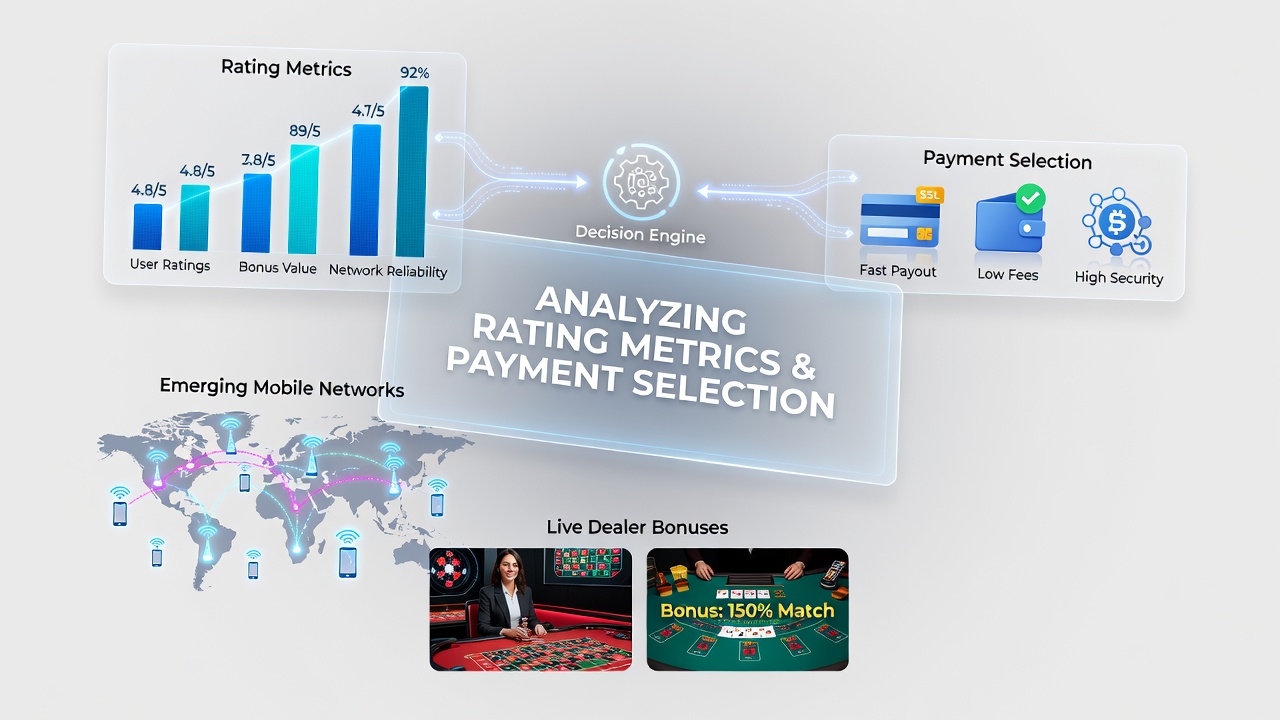
Rating metrics have become central to how platforms manage payment choices for live dealer bonuses as mobile networks expand, and data from July 2026 shows operators tracking latency, packet loss, and throughput to determine which methods qualify for promotional credits. These systems evaluate network performance in real time so that bonuses tied to games like blackjack or roulette activate only when connections meet predefined thresholds, and studies from the International Association of Gaming Regulators indicate that such filters reduce failed transactions by measurable margins across multiple jurisdictions.
Core Components of Rating Systems
Platforms assign scores based on uptime percentages, average round-trip times, and jitter levels while live dealer streams run, and these numbers feed directly into algorithms that approve or restrict specific payment processors for bonus funds. Operators integrate APIs from telecom providers to pull live statistics, which means a user on a 5G slice with consistent sub-20 millisecond latency might unlock instant deposit matches whereas someone on an older connection faces delayed eligibility. Research published by the Singaporean Infocomm Media Development Authority highlights how these layered evaluations prevent bonus abuse on unstable links and create consistent reward distribution patterns.
Payment Methods Under Scrutiny
Credit card processors, e-wallets, and cryptocurrency gateways each carry different risk profiles when network conditions fluctuate, and rating engines compare historical success rates against current mobile signal data before releasing bonus codes. For instance one study tracking European operators found that digital wallet transactions completed 18 percent faster on average during peak hours when paired with high-rated connections, whereas bank transfers often required manual review if jitter exceeded set limits. Observers note that this selective approach aligns payout speeds with connection quality so that live dealer sessions maintain uninterrupted play while bonus terms stay intact.
Impact of Emerging Mobile Infrastructure
Networks rolling out advanced slicing and edge computing capabilities allow finer control over which payment rails activate for bonuses, and July 2026 deployment reports from Canadian regulators show operators adjusting thresholds weekly as coverage expands into rural zones. The result is that players using newer handsets on optimized bands gain faster access to live dealer promotions while older devices trigger additional verification steps. Data collected across Australian markets demonstrates that these infrastructure upgrades correlate with higher bonus redemption rates when payment selection logic incorporates real-time network scores rather than static rules.
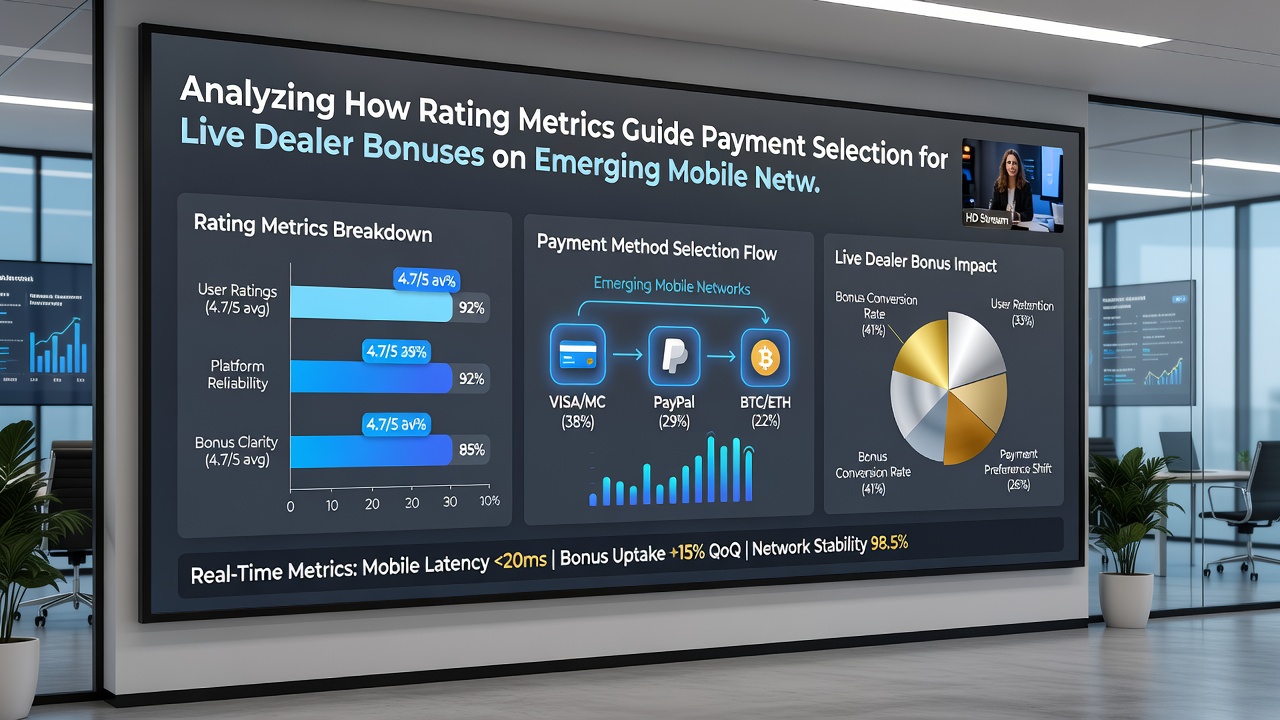
Security protocols also tie into these metrics because encrypted payment handshakes consume extra bandwidth during dealer interactions, and platforms therefore prioritize methods that complete authentication within acceptable latency windows. Industry reports from the European Gaming and Betting Association detail how operators reduced chargeback volumes after implementing dynamic rating filters that blocked low-performing payment options during high-traffic live sessions.
Data Patterns Across Regions
Analysts tracking multi-jurisdictional deployments observe consistent trends where rating systems favor instant methods such as certain e-wallets over slower bank wires when mobile conditions remain stable, and this preference appears in transaction logs from operators in both North America and Asia-Pacific markets. Figures released by the Nevada Gaming Control Board in mid-2026 reveal that platforms incorporating network-aware bonus rules processed 27 percent more live dealer wagers without payment interruptions compared with previous quarters. Those patterns emerge because the rating engines continuously recalibrate based on aggregated user data rather than fixed schedules.
Integration Challenges and Solutions
Developers face hurdles when merging telecom feeds with existing bonus engines because data formats vary between carriers, yet middleware solutions now standardize inputs so that payment selection remains consistent regardless of underlying network provider. One documented rollout in a Southeast Asian market showed that after standardization, bonus claim times dropped from an average of 45 seconds to under 15 seconds on qualifying connections. Operators continue refining these integrations as new spectrum allocations come online and rating parameters evolve.
Future Trajectories in Metric-Driven Selection
Projections based on current deployment data suggest that by late 2026 rating systems will incorporate predictive analytics to anticipate network degradation before it affects live dealer bonuses, and early tests in controlled environments indicate potential further reductions in failed transactions. Payment providers are already adapting their APIs to expose more granular performance metrics that platforms can fold into eligibility checks, which creates tighter alignment between connection quality and promotional access. Regulatory bodies across multiple regions continue monitoring these developments to ensure transparency in how rating thresholds influence player rewards.
Conclusion
Rating metrics now shape every stage of payment selection for live dealer bonuses on expanding mobile networks, and the evidence from July 2026 deployments confirms that real-time network evaluation improves transaction reliability while maintaining bonus integrity. Operators that embed these systems report smoother operations across diverse connection types, and continued infrastructure growth promises even tighter integration between performance data and reward distribution logic. The patterns established so far point toward broader adoption of dynamic rating frameworks as emerging networks mature.