Decoding Bonus Allocation Patterns in Emerging Digital Gaming Platforms Through Player Behavior Data
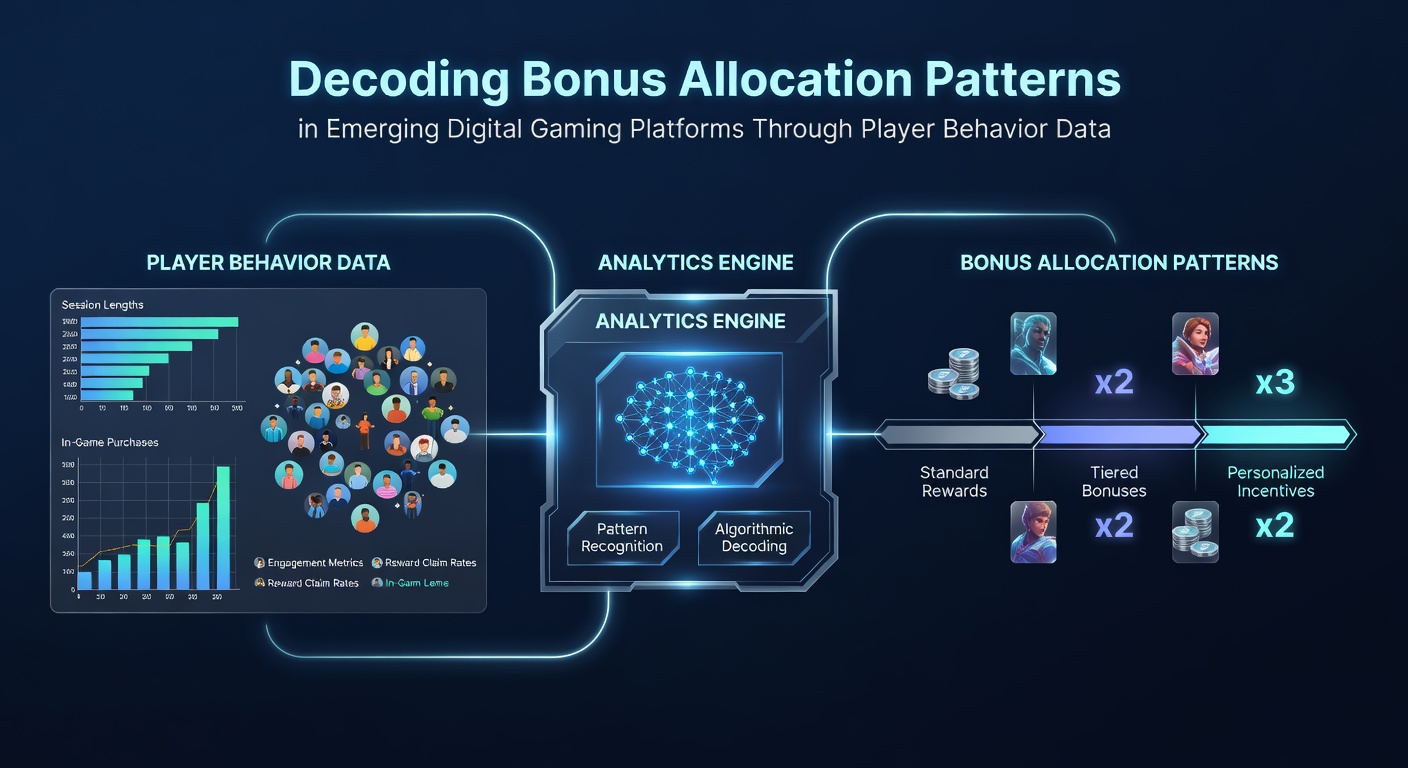
Digital gaming platforms have shifted their approach to bonus distribution by relying on detailed player behavior data rather than uniform offers, and this change has created measurable patterns across emerging markets. Operators track login frequency, session duration, game preferences, and deposit rhythms to determine who receives what type of reward, while algorithms adjust offers in real time based on individual activity levels.
Data Collection Methods Behind Modern Bonus Systems
Platforms gather information through integrated tracking tools that record every interaction from account creation onward, and they combine this with demographic details plus device usage statistics. Researchers at the University of Nevada Reno Gaming Innovation Lab have documented how these datasets allow companies to segment users into categories such as high-frequency casual players or weekend high-stakes participants, and each group receives distinct bonus structures designed to match observed habits. The process runs continuously, so a player who increases activity after a period of absence might trigger an automated retention bonus without any manual review.
Observed Allocation Patterns Across Platforms
Analysis of behavior data reveals several consistent allocation trends that appear across multiple platforms operating in 2026. New accounts often receive welcome packages weighted toward free spins or deposit matches because data shows these users need immediate incentives to complete their first sessions, yet repeat players see loyalty rewards that scale with cumulative playtime rather than single deposits. Platforms also reserve targeted reload bonuses for users whose spending has dropped below personal averages, and they time these offers to coincide with typical return windows identified through historical logs.
One notable pattern involves cross-game promotion, where players who stick to a single title receive bonuses that encourage exploration of other games in the library, and data from the Australian Gambling Research Centre indicates this tactic lifts overall engagement by measurable margins when applied selectively. Meanwhile, high-volume users encounter tiered benefits that include cashback percentages and exclusive tournament entries, allocations that platforms justify through retention metrics rather than blanket generosity.
Role of Predictive Analytics in Shaping Offers
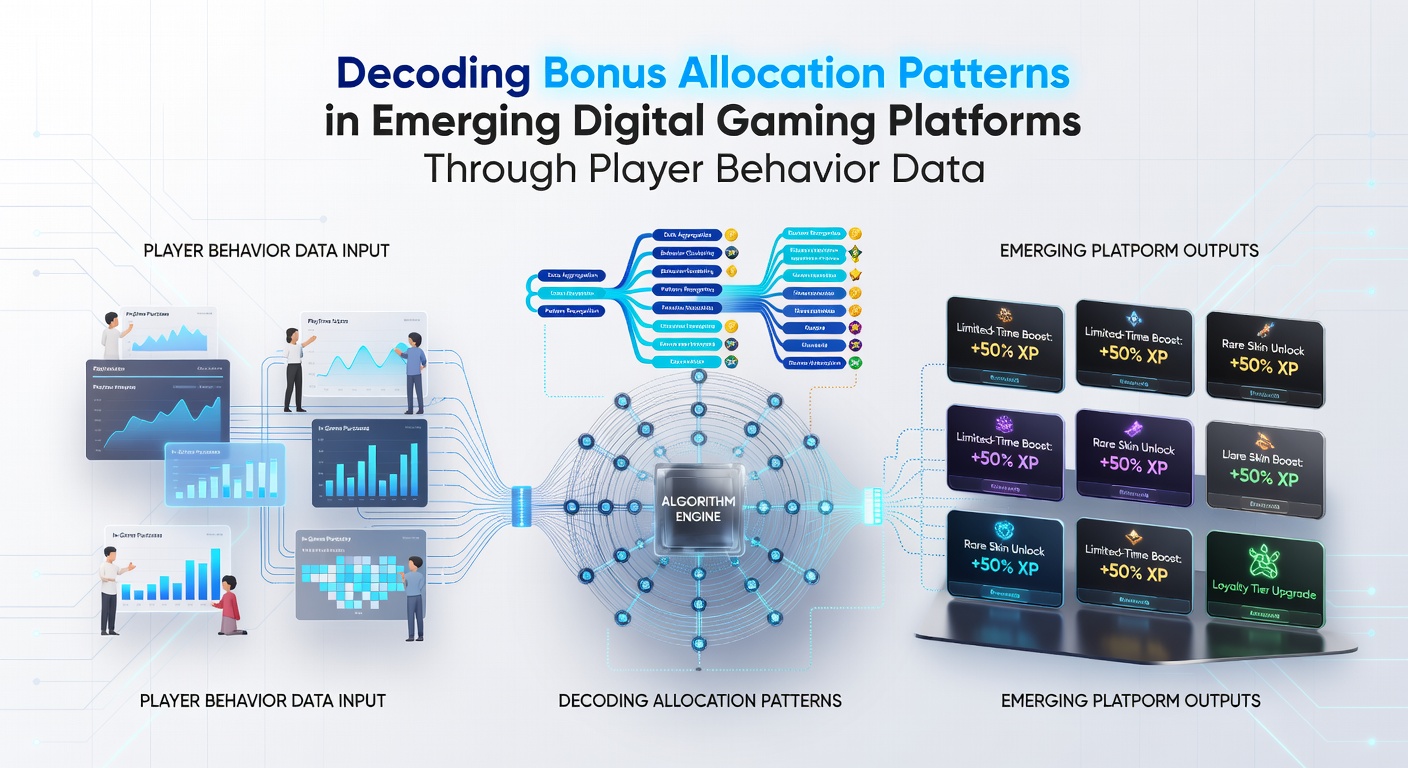
Machine learning models process the collected data to forecast which bonuses will produce the highest response rates for specific player profiles, and operators refine these models monthly using results from previous campaigns. In May 2026 several platforms reported adjustments to their algorithms after observing that shorter, more frequent bonus windows outperformed longer promotions for mobile-first users. The models factor in variables such as time of day, payment method history, and even withdrawal patterns, allowing systems to predict churn risk and intervene with personalized incentives before activity declines further.
Those who have studied these systems note that predictive accuracy improves when platforms incorporate external signals like regional economic indicators or seasonal events, and this broader context helps explain why certain bonus types appear more often during particular months. The approach remains data-driven, with success measured through metrics such as return visit rates and average session length rather than subjective satisfaction scores.
Regulatory Context and Compliance Requirements
Gaming authorities in multiple jurisdictions require operators to document how bonus allocation decisions connect to responsible gaming safeguards, and this has led companies to embed spending limit reminders directly into bonus notifications. The Canadian Centre for Gaming Research published findings in early 2026 showing that transparent bonus terms tied to player data reduce disputes, while platforms that fail to disclose allocation criteria face increased scrutiny during audits. European regulators have similarly emphasized that personalized offers must include clear eligibility rules derived from verifiable behavior metrics, preventing arbitrary distribution that could disadvantage certain user groups.
Technical Infrastructure Supporting These Systems
Modern platforms run on cloud-based data warehouses that process millions of events daily, and they integrate application programming interfaces that feed real-time analytics into bonus engines. This infrastructure allows immediate adjustments, such as increasing a bonus value for a player whose recent deposits exceed their established pattern, while simultaneously capping rewards for accounts flagged by risk algorithms. Developers continue to add layers of encryption and access controls to protect the underlying datasets, ensuring compliance with privacy standards that vary by region.
Conclusion
Bonus allocation in emerging digital gaming platforms now depends on continuous analysis of player behavior data, producing patterns that reflect both individual habits and broader operational goals. As platforms refine their models through 2026, the focus remains on measurable outcomes such as engagement duration and retention rates, supported by infrastructure that processes information at scale. Regulatory frameworks across different regions continue to shape how these data-driven systems operate, requiring documentation and safeguards that tie bonus offers to responsible practices. The result is an evolving landscape where allocation decisions grow increasingly precise, guided by the data trails players leave behind during each session.