Exploring Intersections Between Verification Timelines and Reward Structures in Cross-Platform Digital Gaming Networks
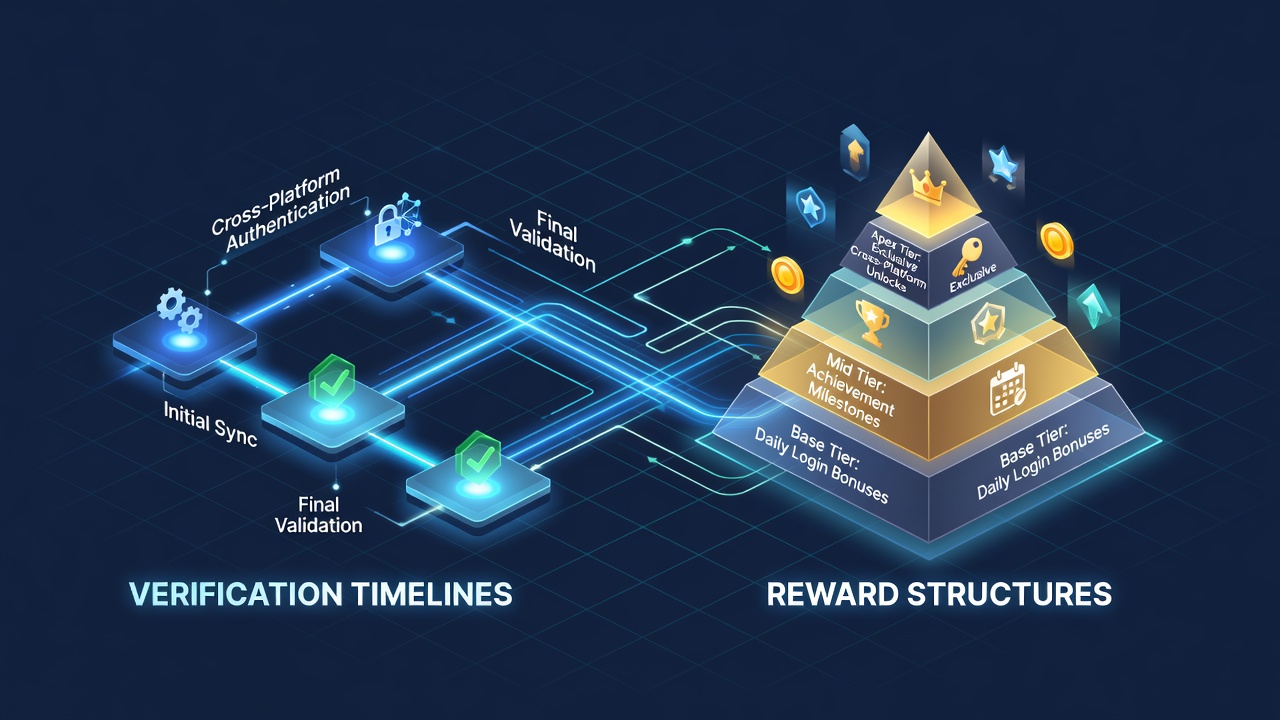
Verification timelines in cross-platform digital gaming networks often determine when players gain access to layered reward structures that span mobile, desktop, and console environments, and operators track these intervals to align identity checks with bonus activation sequences. Data from multiple jurisdictions shows that average verification periods range from 24 hours to several business days depending on document submission volume and regulatory requirements, which in turn influences how quickly loyalty points or promotional credits appear in unified player accounts.
Core Elements of Verification Processes Across Platforms
Operators integrate automated document scanning tools with manual review stages to confirm player identities, and these steps create bottlenecks when users switch between devices because session data must sync across separate backend systems. Research indicates that platforms using real-time API connections between mobile apps and web portals reduce verification delays by up to 40 percent compared with fragmented legacy setups, allowing reward structures such as deposit-match bonuses and free-spin allocations to activate without additional manual intervention.
June 2026 brought updated reporting standards from the Malta Gaming Authority that required operators to publish average verification completion rates alongside reward payout statistics, and several networks responded by publishing quarterly dashboards that link identity confirmation speed directly to player retention metrics in cross-device environments.
How Reward Structures Depend on Verification Completion
Reward allocation algorithms typically remain dormant until verification flags clear, which means players who complete checks early unlock tiered benefits like cashback percentages and leaderboard entries that accumulate across platforms. Studies from regional regulators reveal that networks enforcing strict sequential verification before any reward distribution experience lower rates of bonus abuse, although the same protocols can delay access for legitimate users who submit incomplete documentation on first attempt.
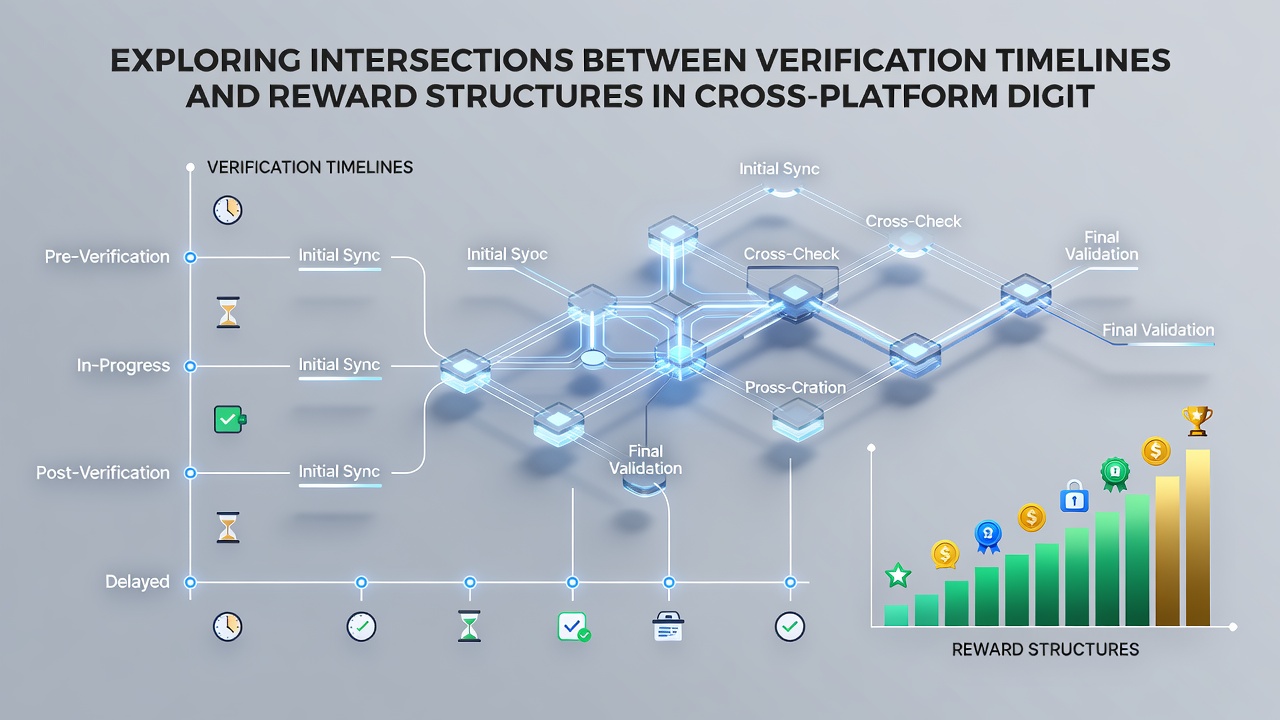
One major European network adjusted its policy in early 2026 so that partial verification allowed limited reward previews, such as viewing available loyalty tiers without claiming them, and this change correlated with a measurable uptick in full verification completion rates within the same week. Cross-platform consistency requires that once verification succeeds on one device the status propagates instantly to others, otherwise reward structures fracture and players encounter mismatched balances when switching interfaces.
Observed Patterns in Multi-Jurisdictional Networks
Regulatory frameworks in different regions impose varying verification depth requirements, and networks operating across borders must reconcile these differences while maintaining uniform reward timelines for their global user base. According to reports published by the Nevada Gaming Control Board, operators that standardized verification checklists across jurisdictions saw reward claim rates stabilize because players no longer faced repeated identity requests when accessing the same account from new locations or devices.
Academic analyses from institutions tracking digital gaming behavior note that shorter verification windows correlate with higher engagement in progressive reward programs, whereas extended timelines push players toward competing platforms that advertise faster onboarding. Data shows seasonal spikes in verification volume during major promotional events, which can stretch average processing times and temporarily restrict reward distribution until backlogs clear.
Technical Integration Challenges and Solutions
Developers address these intersections by building unified player profiles that store verification status alongside reward eligibility flags, allowing seamless updates when users move between platforms. Real-time synchronization protocols reduce discrepancies that previously caused rewards earned on mobile to disappear during desktop sessions, and several networks now employ machine learning models to predict verification bottlenecks before they affect reward access.
Industry associations such as the European Gaming and Betting Association have documented cases where streamlined verification pipelines led to measurable increases in cross-platform reward redemptions, particularly among users who maintain active accounts across multiple device types. Operators continue to refine these systems to balance regulatory compliance with user expectations for immediate reward availability.
Conclusion
The relationship between verification timelines and reward structures continues to shape operational decisions in cross-platform digital gaming networks as operators seek methods that satisfy regulatory demands while preserving player access to benefits. Recent policy adjustments and technical upgrades demonstrate ongoing efforts to align these two components more closely, and ongoing data collection from multiple sources will likely inform further refinements in the coming periods.