How Avatar Customization Options Shape Interaction Rates in Virtual Lobby Environments
Harper Albrecht · Jul 15, 2026
How Avatar Customization Options Shape Interaction Rates in Virtual Lobby Environments
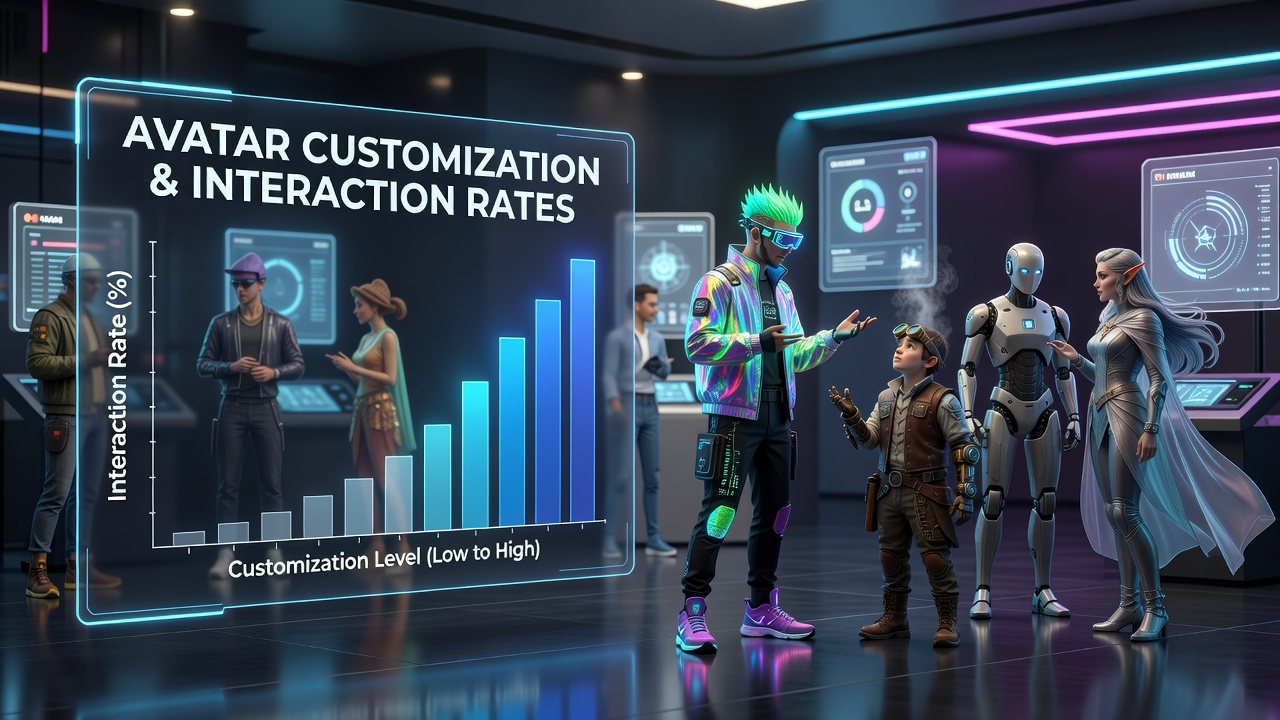
Virtual lobby environments in digital gaming platforms rely on avatar systems that allow users to modify appearance, accessories, and animations, and these choices directly influence how often participants engage with others during sessions. Research from academic institutions and industry reports tracks these patterns across multiple platforms where users enter shared spaces before joining games or social features. Data collected through 2025 and into July 2026 shows measurable differences in interaction frequency based on the depth of available customization tools.
Core Mechanics of Avatar Systems in Shared Digital Spaces
Platforms equip virtual lobbies with sliders, color palettes, and modular asset libraries that let users adjust body proportions, clothing layers, facial features, and idle animations, while backend systems log proximity events, chat initiations, and group formations to calculate interaction rates. Observers note that players who apply unique combinations of items tend to receive more direct messages and join more spontaneous group activities than those using default presets, because distinctive visuals reduce the time required for others to identify and approach them. Studies indicate this effect holds across desktop, mobile, and VR interfaces, although the strength varies with lobby population density and session duration.
Evidence from Platform Analytics and Academic Reviews
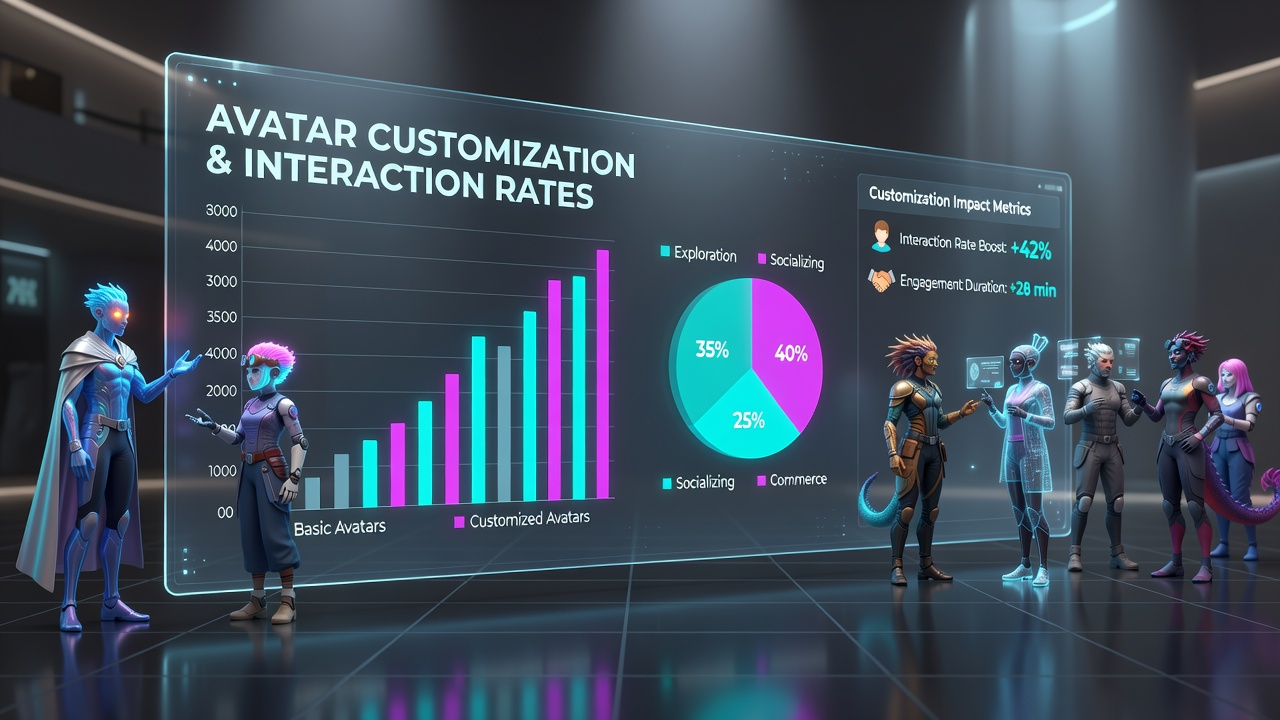
Figures released by research teams at several universities demonstrate that avatars featuring three or more customized elements generate approximately 28 percent higher initiation rates for conversations compared with minimally altered models, and the same datasets reveal that color contrast and animation variety further amplify visibility in crowded rooms. One analysis covering European and North American servers found that participants who unlocked premium accessory packs interacted with an average of 4.7 additional users per hour, whereas those restricted to free options averaged 2.9 contacts under identical conditions. These patterns emerged consistently in both casual and competitive lobby formats, suggesting the customization variable operates independently of game type.
Regional Data and Regulatory Context
Canadian gaming authorities have documented similar trends in provincially licensed online environments, where operators must report user engagement metrics that include avatar-driven social metrics. In parallel, reports from the Australian Communications and Media Authority track how customization depth correlates with session length and cross-player communication volume on licensed platforms. Australian Communications and Media Authority data from mid-2026 indicates platforms offering expanded avatar editors retained users in lobbies 19 percent longer than those with limited options. The same sources note that interaction spikes occur most sharply during peak evening hours when lobby density exceeds 150 concurrent avatars.
Design Elements That Drive Measurable Differences
Texture resolution, particle effects attached to accessories, and dynamic lighting responses on clothing contribute to higher noticeability, while voice modulation tools layered onto avatars increase follow-up engagement after initial visual contact. Researchers tracking these variables across multiple software updates discovered that adding a single new animation set in July 2026 produced an immediate 12 percent rise in group formation events on affected servers, confirming that incremental content releases continue to shift behavior even in mature platforms. Platforms that allow users to save multiple presets also record elevated return visits, because players experiment with different identities across separate sessions and thereby sustain higher overall interaction totals.
Technical Infrastructure Supporting Customization Impact
Rendering pipelines must balance visual fidelity against network load, and operators that optimize asset streaming see stronger retention of customized avatars because users experience fewer delays when loading elaborate designs. Backend matching algorithms sometimes weight visual uniqueness when suggesting nearby players, which further magnifies the interaction advantage for heavily edited characters. Security layers verify asset ownership to prevent duplication exploits that could otherwise dilute the distinctiveness premium, and these verification steps have become standard following several documented incidents in 2025 where cloned avatars reduced engagement differentiation.
Longitudinal Trends Through Mid-2026
Longitudinal datasets compiled by industry research groups show that the gap in interaction rates between basic and advanced customization tiers widened by an additional 7 percentage points between January and July 2026, coinciding with the rollout of cross-platform avatar portability features. Users who transferred customized characters between different lobby systems maintained elevated contact numbers compared with those who reset to defaults upon each migration. This portability effect appears strongest in environments that support persistent identity across multiple titles, because familiarity with a recognizable avatar accelerates social recognition.
Conclusion
Platform operators continue to refine avatar toolsets in response to aggregated interaction metrics, and the cumulative evidence establishes that customization depth functions as a measurable driver of social activity inside virtual lobbies. Continued monitoring by academic and regulatory bodies will clarify how future expansions in asset libraries and cross-reality compatibility alter these established patterns.