How Platform Expansions Alter Incentive Delivery Timelines Across Handheld Interactive Networks
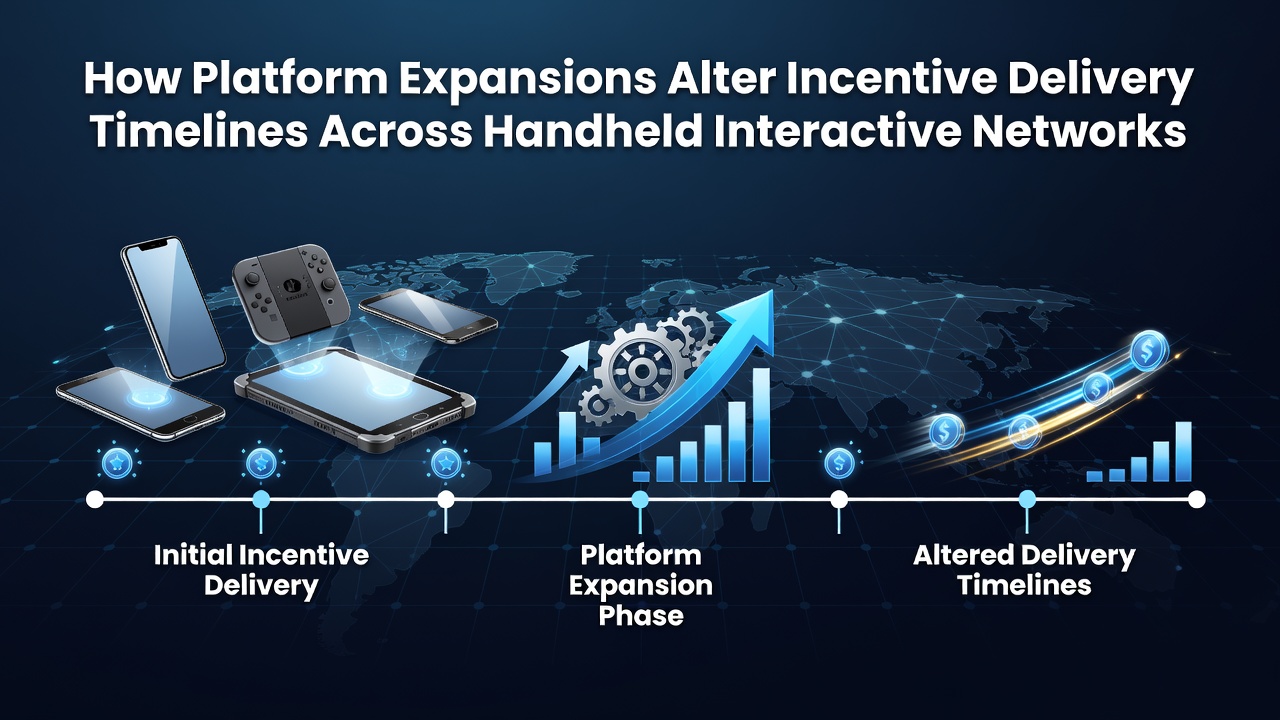 Platform expansions in handheld interactive networks reshape how operators deliver incentives to users, and the process involves complex adjustments to software architectures, compliance checks, and synchronization protocols. These networks encompass mobile applications that support real-time gaming and betting across multiple jurisdictions, where expansions often mean integrating new servers, adding regional payment gateways, or scaling user bases through mergers and feature rollouts. Researchers have documented shifts in delivery timelines as a direct result of these changes, with data from multi-device systems showing delays ranging from hours to several days during transition periods.
Technical Adjustments During Expansion Phases
Operators face immediate challenges when expanding platforms because new modules must align with existing incentive engines, and this alignment requires extensive testing of data pipelines. Studies from industry reports indicate that synchronization between legacy reward systems and updated mobile interfaces can extend processing windows, particularly when cloud migrations occur alongside feature additions. Observers note that handheld networks experience bottlenecks in API calls during peak expansion activity, which pushes back the moment users receive notifications about bonuses or loyalty credits.
One notable pattern emerges when developers introduce cross-platform compatibility layers, since these layers must verify user eligibility across expanded server clusters before releasing any rewards. Figures from technical audits reveal that such verifications add layers of latency, and the effect compounds when networks incorporate new handheld device types with varying operating systems. Those who've analyzed expansion logs find that automated scripts often pause incentive queues to prevent errors, resulting in staggered delivery schedules that users encounter as inconsistent timing.
Regulatory Compliance and Timeline Shifts
Regulatory requirements play a central role in altering these timelines because expansions frequently trigger fresh licensing reviews or jurisdictional audits. Data collected through oversight mechanisms shows that platforms entering new markets must recalibrate incentive protocols to match local rules on reward transparency and timing disclosures, and this recalibration introduces mandatory waiting periods before promotions activate. According to records maintained by the Nevada Gaming Control Board, expansions involving interstate mobile integrations have historically extended approval cycles for bonus distributions by up to two weeks while documentation clears.
Similar patterns appear in other regions where authorities demand real-time reporting on incentive flows, and handheld networks must build these reporting hooks into their expanded architectures. The result is a measurable slowdown in automated reward releases during the initial months after launch, as systems prioritize compliance logging over speed. What's interesting is how these requirements interact with technical upgrades, since operators often bundle regulatory adaptations with software patches that further stretch delivery windows.
Impact on Player Data Synchronization
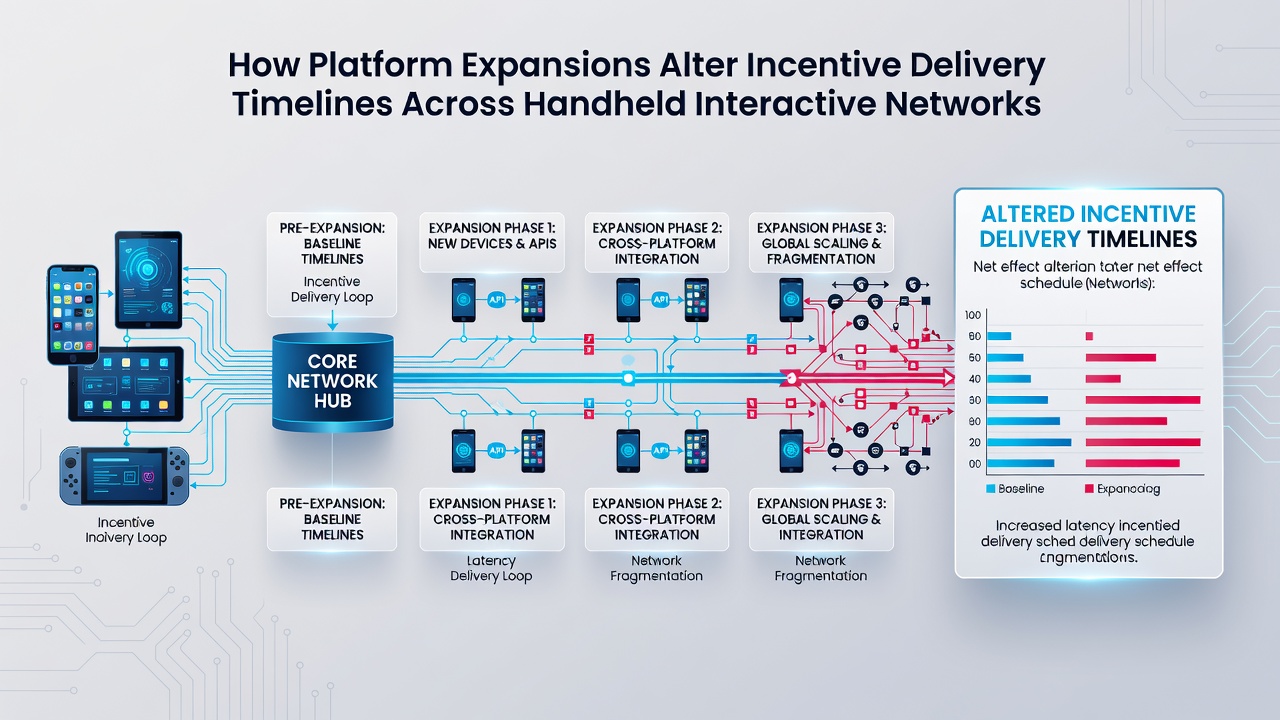
Player behavior data becomes critical during expansions because platforms must merge datasets from multiple sources without disrupting ongoing incentive calculations. Research indicates that incomplete merges lead to temporary holds on reward eligibility checks, and handheld users notice these holds as delayed credit postings. One study revealed that networks expanding into additional territories experienced synchronization lags averaging 48 hours, during which time promotional triggers remained inactive to avoid mismatched user profiles.
Those tracking these systems observe that API rate limits imposed during high-volume data transfers contribute directly to the slowdown, and this constraint forces operators to queue incentive deliveries rather than process them instantly. Patterns in verification protocols show that expanded networks adopt batch processing modes more frequently, which spreads reward distributions across longer intervals to maintain accuracy. The ball stays in the operators' court to balance expansion speed against these synchronization demands, and evidence suggests the trade-off consistently favors caution over immediacy.
Case Examples from Recent Expansions
Expansions completed in early 2026 provide concrete illustrations of altered timelines. In one instance, a major handheld betting network integrated additional payment processors across North American and European segments, and the process shifted incentive delivery from instantaneous to a 36-hour average wait during the first quarter. Figures released through industry associations confirm that user retention metrics dipped temporarily until systems stabilized and reward schedules normalized.
Another rollout in June 2026 involved scaling a portable table game platform to include new interactive features, and observers documented how the accompanying server expansions delayed loyalty point allocations by several days while integrity checks completed. Data from these cases highlights that phased rollouts, rather than simultaneous launches, help mitigate some delays yet still extend overall timelines compared to pre-expansion baselines. Researchers continue to monitor these instances for recurring variables that influence outcomes across different network sizes.
Longer-Term Adjustments and Monitoring
Over extended periods, platforms develop adaptive mechanisms that gradually shorten incentive delivery windows even as networks grow larger. Monitoring tools track latency metrics in real time, and operators use these insights to refine queue management algorithms that account for expansion-related variables. Reports from academic sources, including analyses conducted at institutions focused on digital systems, demonstrate that post-expansion stabilization typically occurs within four to six months when proactive testing protocols are in place.
Yet the initial alterations remain a consistent feature of growth cycles, and this reality shapes how networks plan future incentive structures. Patterns identified in verification and reward distribution logs show that expanded handheld systems prioritize accuracy and compliance, which inherently lengthens some timelines compared to smaller, more contained operations.
Conclusion
Platform expansions across handheld interactive networks produce measurable changes in incentive delivery timelines through intertwined technical, regulatory, and data-related factors. Evidence from regulatory records, technical audits, and case studies illustrates how these alterations manifest as temporary delays followed by stabilization phases. Those monitoring the sector note that continued advancements in synchronization tools and compliance automation will likely influence future patterns, though expansions will continue to require careful sequencing to maintain system integrity.