Korea Casino Association Highlights Risks from Tourism Levy Proposal in July 2026
Klara Powell · Jul 25, 2026

Korea Casino Association Highlights Risks from Tourism Levy Proposal in July 2026
The Korea Casino Association issued a formal warning in July 2026 regarding a government proposal to raise the mandatory tourism levy from 10 percent to 15 percent of revenue for South Korea's foreigner-only casino operators, and the group stated that such an increase would hasten the bankruptcy of facilities still recovering from the effects of COVID-19.
Representatives emphasized that the levy stands out because it applies to revenue regardless of whether operators record profits or losses, a structure that differs from profit-based taxation systems used in many other industries, and they pointed out that roughly half of the operators have reported annual deficits over the past decade.
Details of the Levy Structure and Its Unique Application
Under the current framework the tourism levy collects 10 percent of gross revenue from each foreigner-only casino, yet the proposed adjustment would push that figure to 15 percent while maintaining the revenue-based calculation even in years when costs exceed income, and this approach creates ongoing financial pressure because operators cannot offset the payment against periods of negative earnings in the same way profit taxes allow elsewhere.
Historical Deficit Patterns Among Operators
Data compiled by the association shows that approximately 50 percent of member casinos have posted yearly shortfalls across the last ten years, and these recurring losses compound the challenge when combined with post-pandemic recovery efforts that include reduced visitor numbers and elevated operational expenses, while the revenue-based levy continues to extract funds irrespective of overall financial performance.
Additional Regulatory Concerns Raised by the Association
Beyond the levy increase the Korea Casino Association also criticized plans to implement five-year license renewal cycles along with stricter ownership regulations, noting that these changes would further restrict operational flexibility and investment appeal at a time when regional competitors maintain more adaptable frameworks, and observers note that such measures could accelerate consolidation or closure among smaller operators already operating near breakeven points.
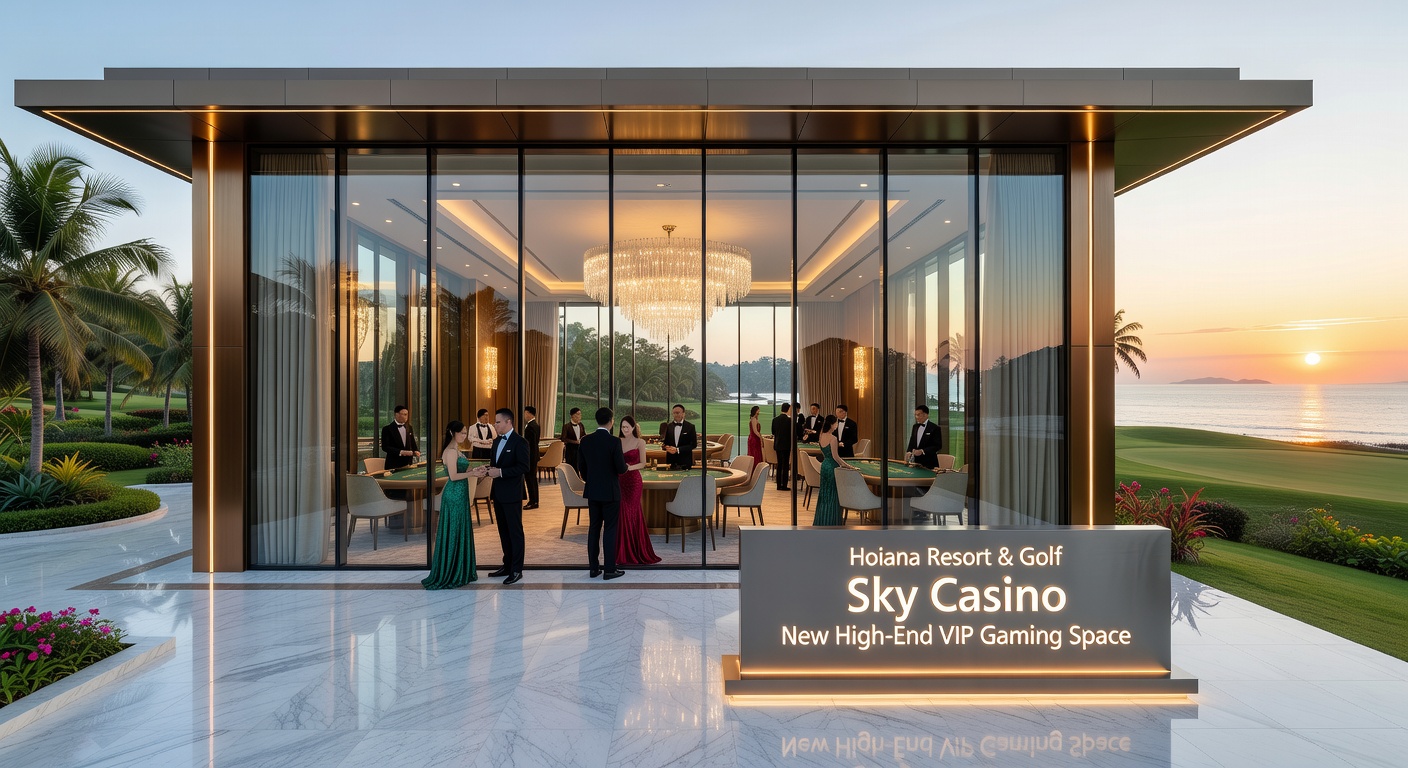
The association argued that the combination of higher revenue-linked payments, shortened license terms, and tighter ownership rules would diminish South Korea's ability to compete with neighboring jurisdictions that offer different tax treatments and longer regulatory stability, and figures from industry monitoring reveal that several regional markets have adjusted their policies in recent years to attract international visitors through more predictable cost structures.
Context of Post-COVID Recovery for Foreigner-Only Casinos
Many of the affected casinos continue to rebuild visitor traffic and revenue streams after the pandemic disruptions that halted international travel for extended periods, and the association highlighted that the proposed levy hike arrives while operators still manage elevated debt levels and incomplete recovery of pre-2020 performance metrics, whereas the revenue-based mechanism ensures payments remain fixed relative to turnover even when net results stay negative.
Those who've examined similar tax models in other sectors point out that shifting the burden entirely to revenue creates asymmetric risk for businesses experiencing volatility, and the Korea Casino Association maintains that this dynamic has contributed to the decade-long pattern of deficits affecting half the operators.
Competitiveness Against Regional Rivals
Regional gaming destinations have adopted varied approaches to taxation and licensing that often tie obligations more closely to profitability or provide extended renewal periods, and the association contends that aligning South Korea's rules with these practices would support sustained investment whereas the current proposals move in the opposite direction, and data from cross-border tourism reports indicate that visitor spending patterns respond to perceived stability in regulatory environments.
According to OECD tax policy analysis revenue-based levies can produce different outcomes than profit-linked systems during economic fluctuations, while industry groups such as the Asia Pacific Gaming Association have documented how licensing duration influences operator planning horizons across multiple jurisdictions.
Conclusion
The Korea Casino Association's July 2026 statement outlines specific mechanisms through which the proposed levy increase, five-year renewals, and ownership restrictions could affect the financial viability of foreigner-only casinos still navigating post-COVID conditions, and the group continues to present these points to policymakers as the discussion around tourism funding adn regulatory oversight moves forward.