Mapping the Evolution of Secure Verification Systems in Multi-Jurisdictional Online Gaming Operations
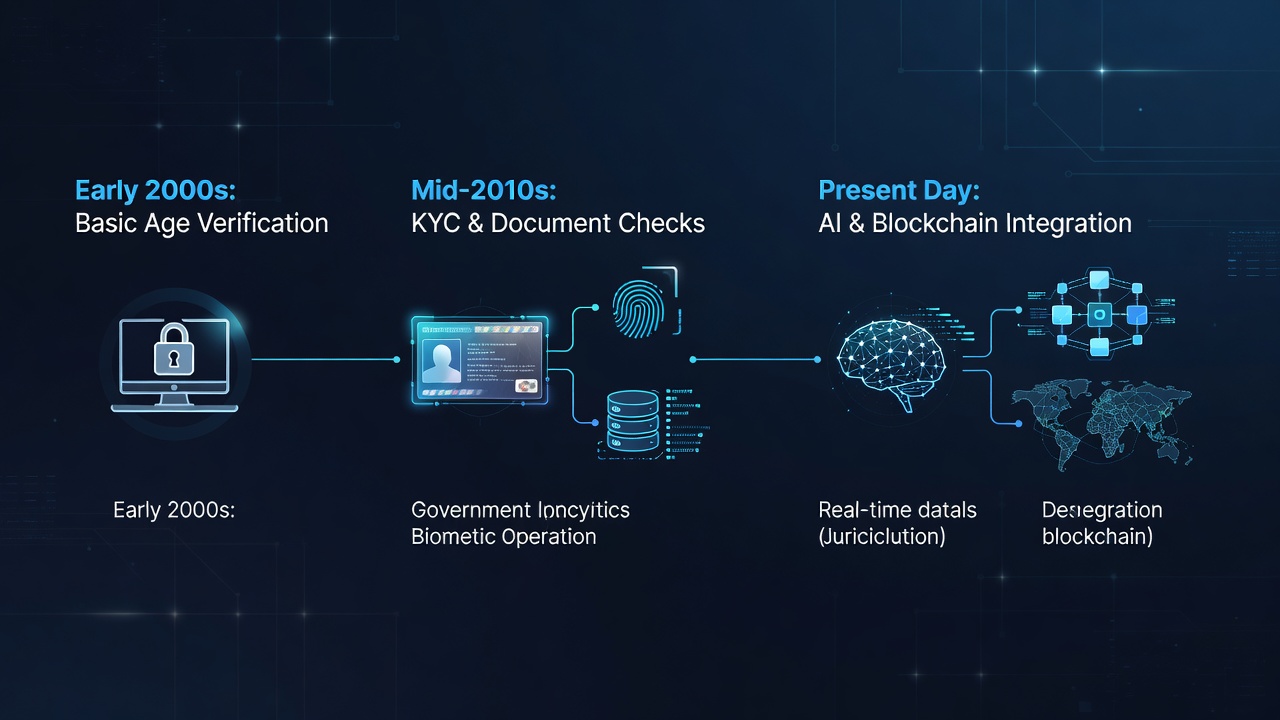
Secure verification systems in online gaming have developed through multiple phases driven by regulatory demands, technological capabilities, and the need to operate across borders where laws differ sharply. Early platforms relied on simple username and password combinations while operators managed player accounts with minimal cross-checks, yet as jurisdictions expanded licensing frameworks in the 2000s, requirements for identity confirmation became standard practice.
Operators began incorporating document uploads and manual reviews to meet basic know-your-customer standards, and this approach worked when markets remained largely domestic. Growth into international territories exposed gaps because each region imposed distinct rules on data handling, age checks, and fraud prevention, which forced companies to build adaptable frameworks that could satisfy multiple authorities simultaneously.
Early Regulatory Pressures and Initial Solutions
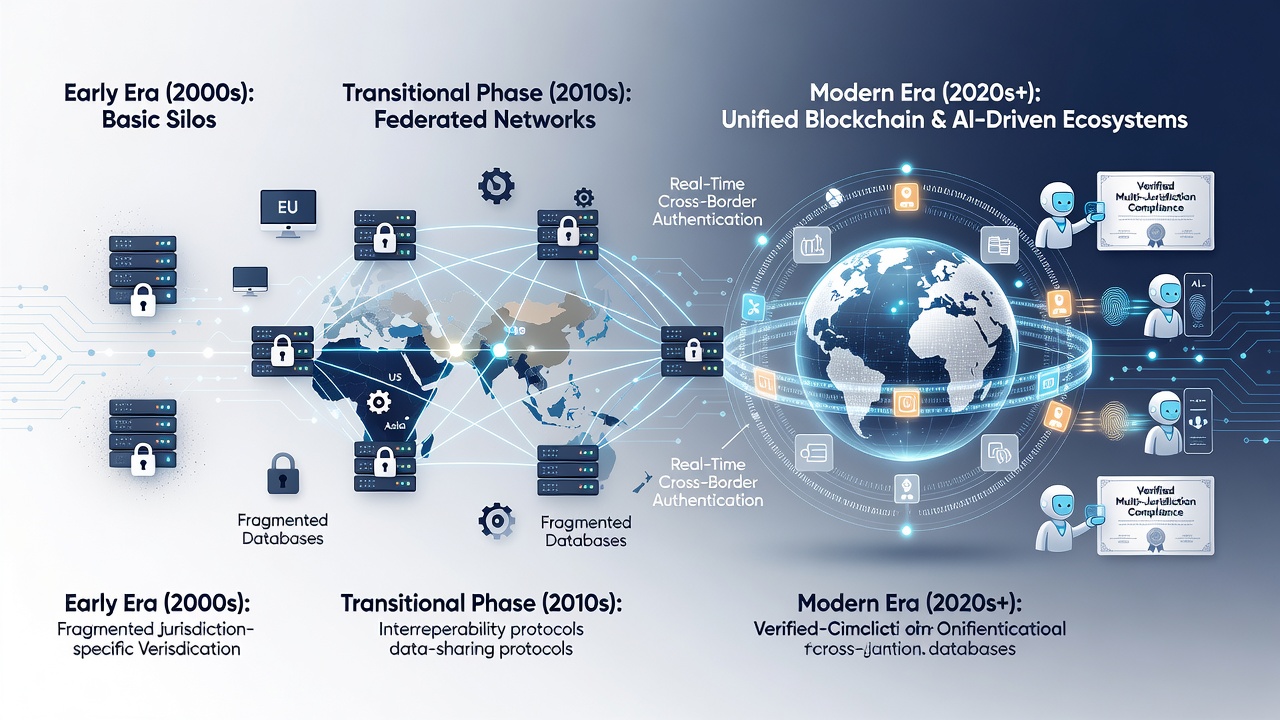
European directives on data protection and anti-money laundering pushed platforms toward structured verification during the 2010s, while US state-by-state legalization created parallel demands for geolocation tools that confirmed players remained within approved boundaries. Australian and Canadian regulators added layers focused on responsible gaming features tied directly to verified accounts, and these overlapping expectations encouraged vendors to develop centralized systems capable of routing checks through jurisdiction-specific modules.
One study from the University of Nevada highlighted how early operators struggled with fragmented databases that slowed player onboarding, whereas integrated platforms later reduced verification times from days to minutes through automated document analysis. Cross-border data flows required encryption protocols and consent mechanisms that aligned with privacy statutes in each market, and companies that failed to adapt faced license revocations or blocked access in key regions.
Technological Shifts Toward Automation and Biometrics
Biometric authentication entered the landscape as facial recognition and fingerprint scanning moved from mobile devices into gaming apps, providing faster identity matches while reducing reliance on physical documents. Artificial intelligence models trained on transaction patterns flagged suspicious activity in real time, and these systems learned from aggregated data across multiple jurisdictions to improve accuracy without violating local storage rules.
Blockchain ledgers appeared in verification workflows around 2022, allowing operators to create immutable records of player approvals that regulators could audit without accessing raw personal information. This distributed approach addressed concerns over data centralization, and platforms using permissioned chains reported smoother compliance audits in both European and Asian markets.
Handling Cross-Border Compliance in 2026
As of June 2026, verification platforms routinely combine geofencing, device fingerprinting, and behavioral analytics to enforce eligibility rules that vary by country and even by province within countries. Operators serving clients in the European Union must route data through servers located in approved regions while maintaining separate flows for North American users subject to different retention periods.
Research from the European Gaming and Betting Association shows that companies adopting modular verification stacks cut compliance costs by integrating updates for new regulations without rebuilding entire systems. Australian authorities require additional responsible gaming flags attached to verified accounts, and platforms that embed these checks at the verification stage report fewer disputes during audits.
Integration of Emerging Standards
Industry groups have worked with academic researchers to establish common technical standards for data exchange that respect sovereignty while enabling efficient multi-jurisdictional operations. Tokenized identity credentials allow players to reuse verified status across licensed operators without repeated document submissions, provided each jurisdiction accepts the underlying cryptographic proofs.
Operators in Singapore and New Jersey have piloted these shared systems, demonstrating reduced onboarding friction while maintaining full audit trails for each regulator. Machine learning continues to refine risk scoring models that weigh factors differently depending on the target market, and the result is verification processes that feel consistent to players yet satisfy distinct legal thresholds.
Conclusion
Verification systems in multi-jurisdictional gaming have progressed from basic credential checks to sophisticated layered frameworks that blend biometrics, distributed ledgers, and jurisdiction-aware automation. Continued collaboration between regulators, technology providers, and operators supports further refinements that balance security, speed, and privacy across expanding global markets.