The Influence of Software Updates on Promotion Timing Across Mobile Payment Networks
Eden Jung · Aug 26, 2026
The Influence of Software Updates on Promotion Timing Across Mobile Payment Networks
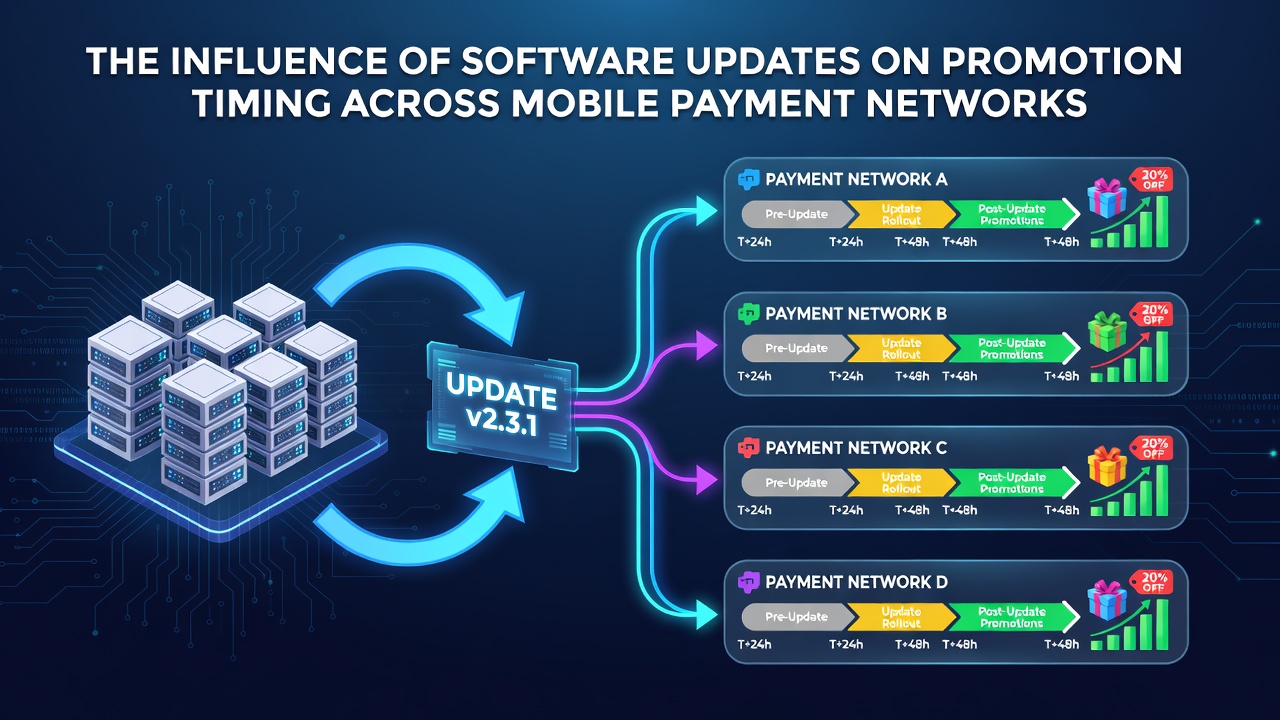
Software updates in mobile payment networks reshape how promotions reach users and when those offers activate across platforms like digital wallets and instant transfer services. Network operators coordinate these releases with backend changes that control offer delivery windows, and the timing often depends on compatibility checks that run before full deployment. Data from payment system analyses indicate that a single update cycle can shift promotion start times by several days while developers verify security protocols and user interface adjustments.
Core Mechanics Behind Update-Driven Timing Shifts
Mobile payment providers release updates to address security patches, add transaction features, and refine reward engines, yet each release carries ripple effects on promotion calendars. When a new version rolls out, servers must synchronize promotional logic with the updated client software, which means campaigns scheduled for immediate launch sometimes wait until the majority of devices complete the installation process. Observers note that staggered rollouts across operating systems create staggered promotion availability, particularly when one platform finishes validation days ahead of another.
Research from payment infrastructure reports shows that updates incorporating new authentication layers frequently delay reward notifications because additional verification steps require fresh certification from card networks and financial institutions. These delays appear most pronounced during periods when multiple providers push updates simultaneously, as shared testing environments become backlogged. In August 2026, several major networks completed coordinated releases that aligned promotion windows more closely with quarterly reporting cycles, reducing overlap between marketing pushes and compliance audits.
Regional Patterns in Update and Promotion Coordination
Payment networks operating across North America and teh European Union display distinct coordination habits shaped by regulatory reporting requirements. In the United States, Federal Reserve payment studies document how updates to real-time settlement features have influenced the release dates of cashback offers tied to transaction volume thresholds. European operators, meanwhile, align updates with revised data protection standards, which in turn affects when cross-border promotions become visible to users in multiple jurisdictions.
One documented case involved a North American provider whose update introduced enhanced fraud scoring models; promotions that previously activated within 24 hours of a qualifying transaction shifted to a 48-hour window while the new scoring system stabilized. Australian regulators tracked similar adjustments when local networks integrated open banking protocols, and promotion timing moved to accommodate mandatory consumer consent checkpoints embedded in the software.
Technical Factors That Alter Promotion Windows
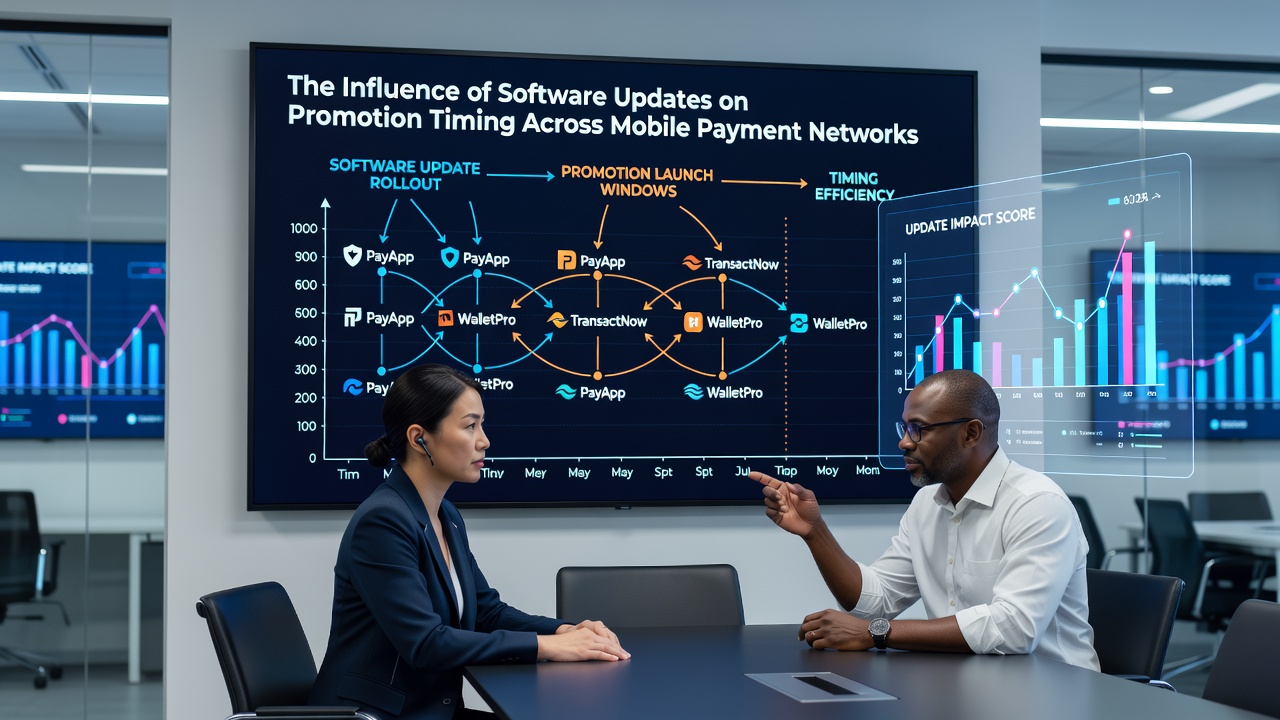
Developers embed promotion triggers inside application logic that interacts with remote servers, so any change to API endpoints or data schemas forces recalibration of those triggers. Updates that expand supported currencies or introduce installment options require fresh mapping of reward eligibility rules, and this mapping process often extends the interval between announcement and activation. Studies of transaction data reveal that networks completing these recalibrations ahead of scheduled campaigns maintain tighter alignment between user expectations and actual offer delivery.
Backward compatibility layers also play a role, because older device versions continue to receive promotions under legacy rules until they reach end-of-support thresholds. This creates parallel promotion streams that operators must manage separately until the older stream is retired, which can stretch timing differences across user segments for weeks.
Industry Data on Timing Adjustments
Industry reports compiled by research firms such as those affiliated with the Bank for International Settlements track how update frequency correlates with promotion cadence across sampled networks. Figures show that providers releasing updates quarterly tend to cluster promotions around those release dates, whereas monthly update schedules produce more evenly distributed offer timing. The same reports note that security-focused updates produce the largest single shifts in promotion activation because they often require extended testing windows before promotional code paths are re-enabled.
Academic examinations of payment application telemetry further illustrate that push notification latency increases temporarily after major updates, which indirectly affects how quickly users learn about time-sensitive offers. These latency spikes typically resolve within one to two weeks once device adoption rates stabilize, yet the initial period creates measurable gaps in promotion response rates.
Conclusion
Software updates function as structural events that reshape promotion timing across mobile payment networks through compatibility requirements, regulatory alignment, and backend recalibration. Patterns observed in multiple regions demonstrate consistent relationships between update scope and the length of resulting delays or shifts in offer activation. As networks continue to evolve their technical foundations, the coordination between software release cycles and promotional calendars remains a central operational consideration for providers managing user engagement across diverse device ecosystems.