Tracing Links Between Software Provider Updates and Payout Timelines Across Multi-Device Betting Networks
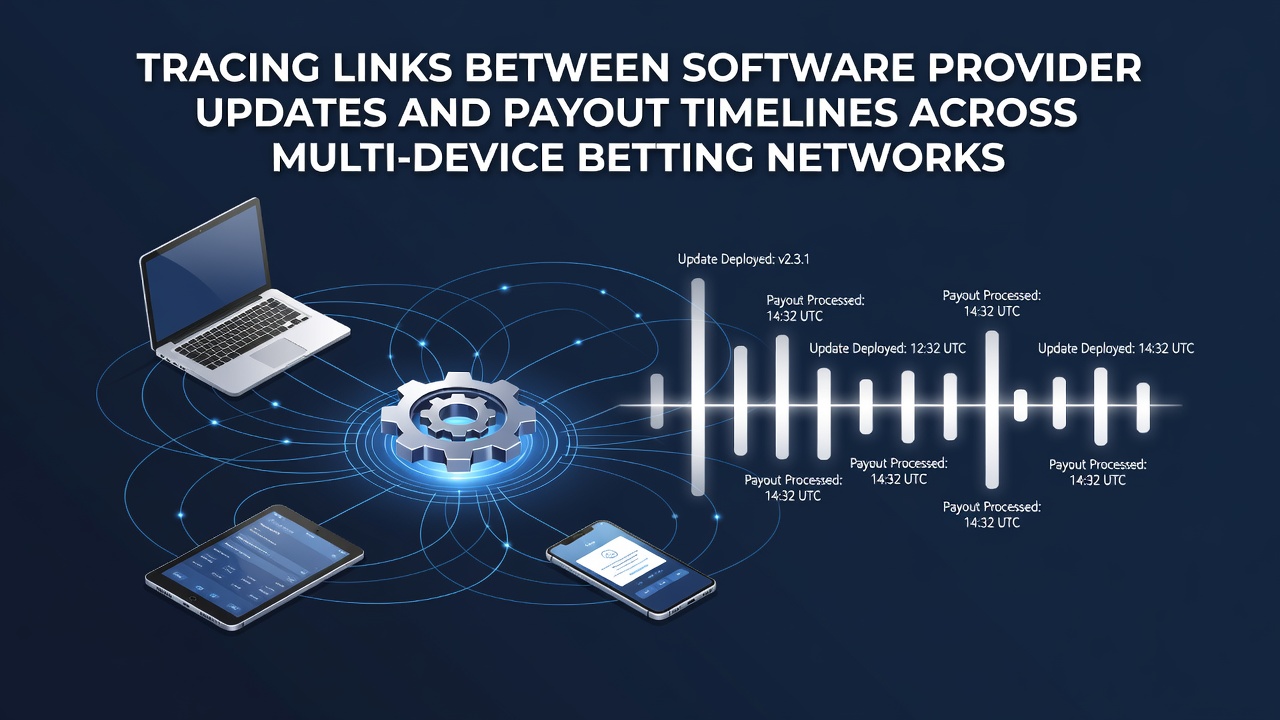
Software providers release updates on regular cycles that often intersect with backend payment systems in multi-device betting networks, and observers note how these changes ripple through transaction queues. Data from industry monitoring shows that version rollouts in core gaming engines frequently coincide with shifts in average payout processing durations, particularly when new security protocols or API adjustments enter live environments. Those tracking operational metrics across platforms report measurable differences in settlement speeds following major patches, especially where cross-device synchronization forms a core requirement.
How Provider Updates Interact with Payment Infrastructure
Updates from leading software vendors typically include refinements to transaction verification layers, and these modifications can alter the sequence of checks performed before funds release. Research indicates that patches addressing encryption standards or compliance modules sometimes introduce temporary bottlenecks in payout authorization paths, while other releases streamline data handoffs between wallet services and operator ledgers. Observers tracking timelines across networks find that desktop sessions often register faster confirmations post-update compared with mobile instances, largely because device-specific rendering pipelines handle the new code paths at different rates.
Integration points between betting engines and third-party payment gateways receive particular attention during these cycles, since even minor code adjustments may require revalidation of API endpoints. Studies conducted on large-scale deployments reveal that networks operating across both iOS and Android ecosystems experience staggered effects, with one platform type completing verification steps ahead of the other when an update emphasizes enhanced token handling. This staggered pattern becomes visible in aggregate payout data collected over successive weeks after deployment.
Multi-Device Synchronization Challenges
Betting networks serving users on phones, tablets, and computers must maintain consistent state across sessions, and software updates can disrupt this balance if caching mechanisms or session tokens receive revisions. Analysts examining log files from multi-device operators note that payout requests initiated on one device sometimes queue differently once an update propagates to another device class. The result appears in extended wait times for users switching between platforms mid-transaction, although total processing volume remains stable according to server metrics.
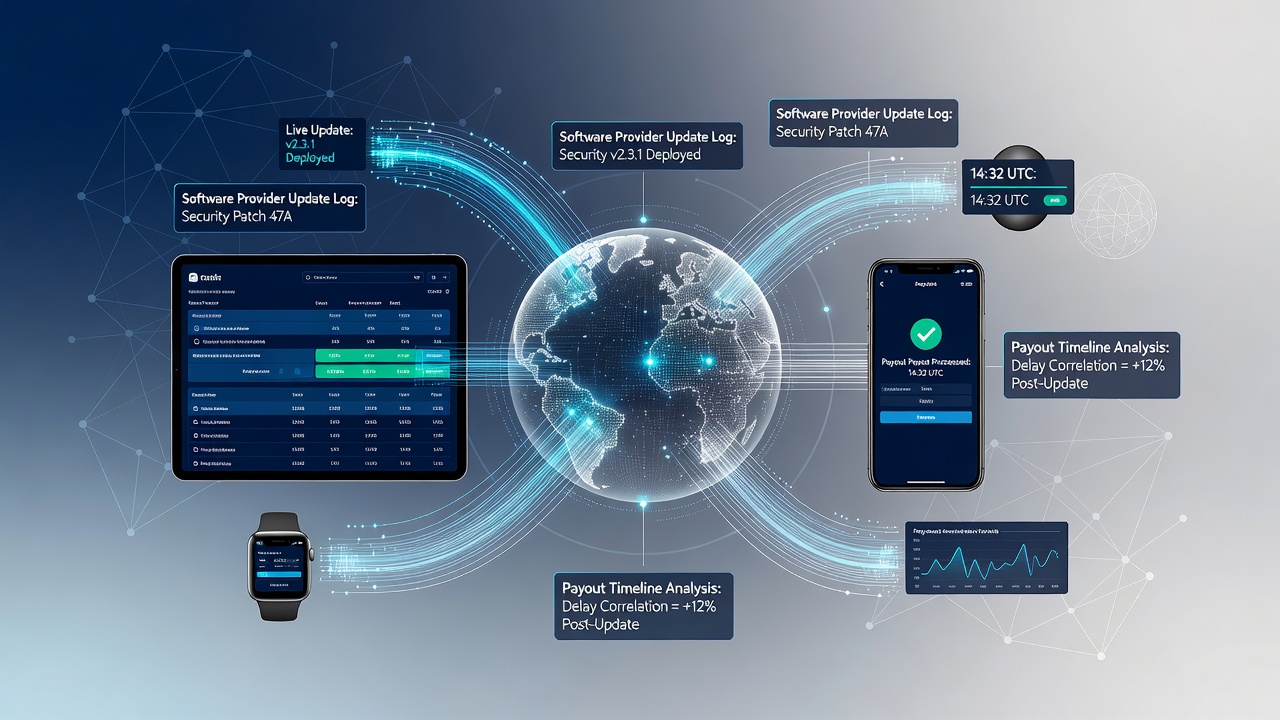
Device fragmentation adds another layer, since older hardware running legacy operating systems processes certain update components more slowly. Reports compiled by network administrators show that payout timelines lengthen noticeably on those legacy devices until operators push supplementary compatibility fixes. Meanwhile, newer devices equipped with updated firmware absorb the same changes with minimal added latency, creating visible divergence in user experience reports collected during the same period.
Evidence from Operational Data Sets
Figures compiled through 2025 and into June 2026 demonstrate recurring correlations between scheduled provider releases and shifts in median payout windows. One analysis of European operators linked a March 2026 engine update to a temporary 14 percent increase in average settlement time across tablet sessions, while desktop figures remained essentially flat. Similar patterns surfaced in North American markets where regulatory reporting requires detailed timestamp logging, allowing researchers to isolate update-related variances from other variables.
According to records maintained by the Nevada Gaming Control Board, operators must document any material changes to transaction processing systems, and these filings frequently reference software version numbers alongside payout performance indicators. Cross-referencing such filings with public release notes from major providers yields traceable connections between specific code changes and observed timeline fluctuations.
Regional Reporting and Industry Monitoring
Monitoring groups in Australia and Canada have begun publishing quarterly summaries that flag payout deviations coinciding with major software deployments. These summaries draw on anonymized operator data and highlight cases where mobile payout queues cleared more slowly after updates focused on responsible gambling feature integrations. The pattern holds across different regulatory frameworks, suggesting the effect stems from technical implementation rather than jurisdiction-specific rules.
Academic teams studying distributed ledger applications in gaming environments have also examined how update cadences affect settlement finality. Their preliminary models predict that networks adopting more frequent incremental patches experience smaller, shorter disruptions compared with those deploying large bundled releases, although real-world confirmation continues through ongoing data collection efforts.
Conclusion
Connections between software provider updates and payout timelines across multi-device betting networks emerge clearly from operational records and regulatory filings. Patterns identified in multiple regions show that release timing, code focus areas, and device compatibility each contribute measurable effects on settlement speeds. Continued monitoring through established reporting channels supplies the data needed to map these relationships with increasing precision as networks evolve.